The Complex Dynamics of U.S.-Iran Relations: Navigating Maritime Security
An examination of the implications of renewed U.S. actions in the Strait of Hormuz on global security and trade.
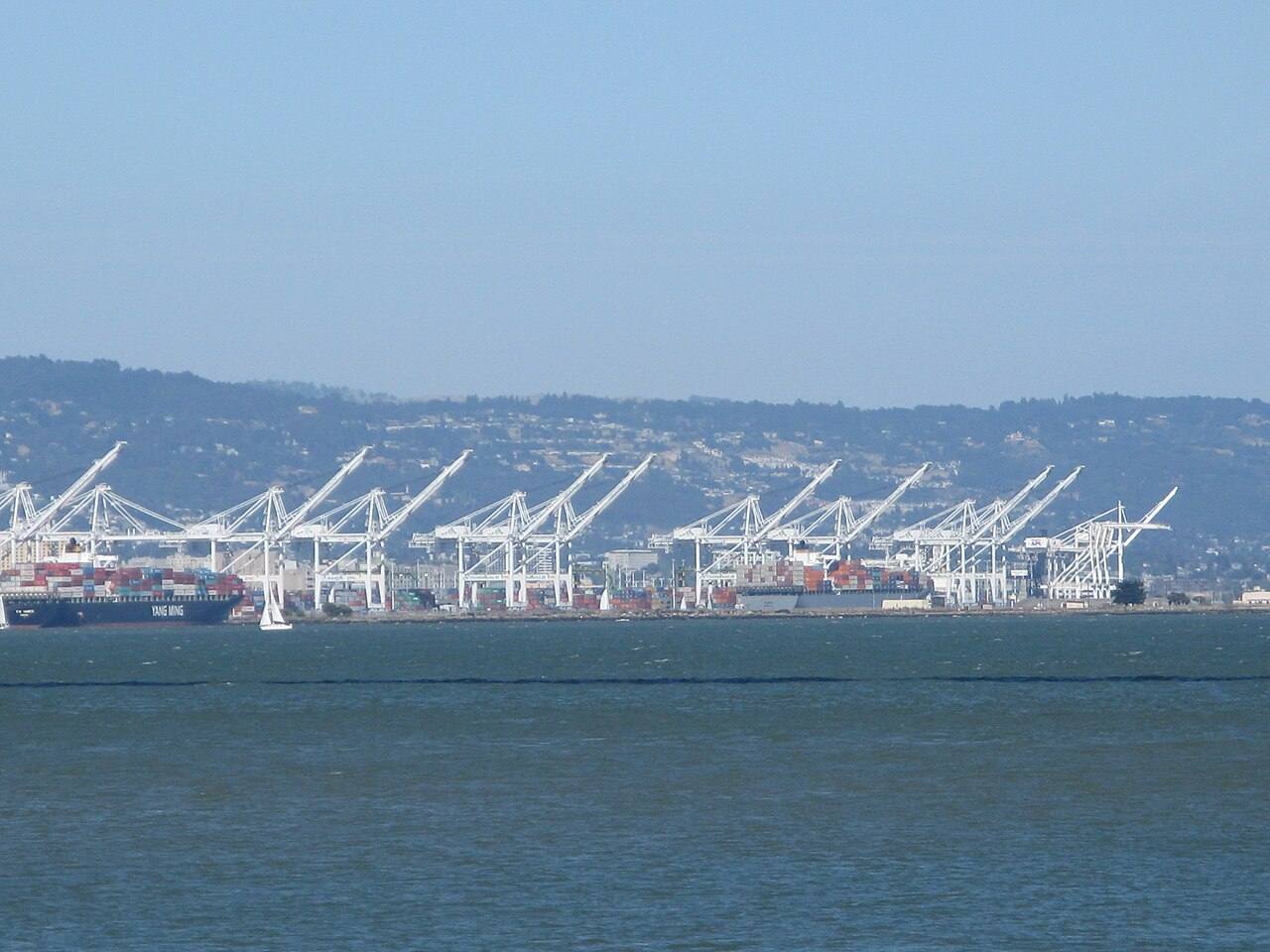
The recent escalation in U.S. military actions against Iran, particularly in the strategically crucial Strait of Hormuz, prompts a necessary examination of the implications not only for American foreign policy but also for global maritime security and trade. With President Trump’s administration opting to restart a blockade and increase strikes against Iranian interests, the balance of power in this vital waterway is once again under scrutiny.
Understanding the Strait of Hormuz
The Strait of Hormuz serves as a critical conduit for international oil shipments, with estimates indicating that roughly 20 percent of the world’s oil passes through this narrow passage. This waterway holds immense geopolitical significance, as it connects the Persian Gulf to the Arabian Sea. The strait's strategic importance has long made it a focal point of tension between Iran and the United States.
Recent Developments in U.S.-Iran Relations
According to a report by CBS News, the U.S. has resumed its blockade against Iran, alongside conducting further military strikes. These actions are indicative of a broader strategy aimed at exerting control over maritime navigation in the region. While the threat of a 20 percent fee on shipping through the Strait of Hormuz has been called off, the specter of military conflict remains a real concern for nations reliant on the safe passage of goods and energy resources.
The renewed tensions exemplify a long-standing pattern of U.S. engagement in the Middle East, one that often oscillates between military intervention and diplomatic overtures. The current administration's military posture appears aimed at deterring Iranian aggression, yet it risks escalating hostilities, which could destabilize the entire region.
The Impacts on Global Trade and Security
The immediate ramifications of these developments extend to global trade dynamics. Shipping through the Strait of Hormuz is vital for numerous economies, and any disruption can lead to significant increases in oil prices and, by extension, affect the global market. The fear of conflict in this region often triggers a fluctuation in the prices of crude oil, as markets react to the uncertainties surrounding supply and demand.
Moreover, the ramifications are not solely economic. The resumption of military action raises critical questions regarding the safety of maritime navigation and the effectiveness of international maritime law. Heightened military presence can lead to miscalculations and unintended confrontations, further complicating an already fraught situation. The potential for conflict in the region poses risks not only to American interests but also to the international community at large.
Looking Ahead: A Call for Diplomatic Engagement
As the situation unfolds, it becomes increasingly clear that a diplomatic approach is vital in resolving longstanding tensions between the U.S. and Iran. The current trajectory of military engagement may provide short-term leverage but risks inciting a broader conflict that could engulf the region and impact global stability.
In the spirit of fostering international cooperation and security, it is imperative for U.S. policymakers to explore diplomatic channels that address the grievances at the heart of U.S.-Iran relations. Restraining military options in favor of dialogue may not only ease tensions but also pave the way for a more stable geopolitical landscape.
The complexities inherent in U.S.-Iran relations, particularly concerning maritime security, require sober reflection and a comprehensive understanding of the historical and geopolitical underpinnings of this fraught relationship. As the nation watches these developments unfold, it is essential to consider the broader implications for global security and trade.
For local service context, see Keysroofing.