Navigating the Rising Tide of Domestic and International Tensions
An analysis of America's current geopolitical and domestic challenges.
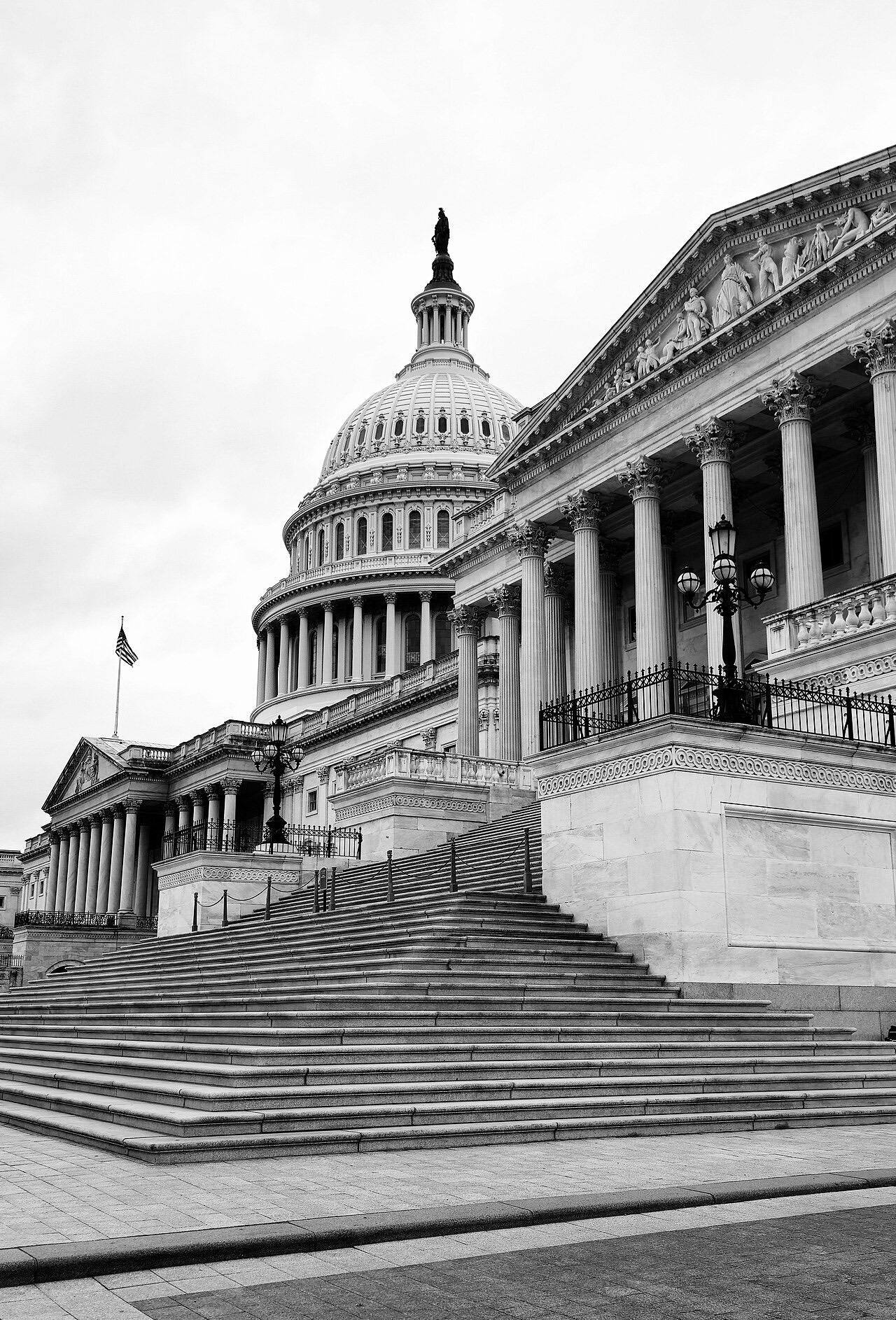
In an era marked by escalating domestic and international tensions, recent events demand a careful examination of the broader implications for American society and governance. The landscape is increasingly fraught, with incidents that evoke both concern and inquiry regarding the resilience of our democratic institutions and the strength of our national identity.
On the international front, the United States has recently intensified its military engagements in the Middle East, particularly regarding Iran. President Donald Trump announced "major combat operations" against Iran, accompanied by significant joint U.S.-Israeli strikes, as reported by ABC News. This escalation not only highlights the enduring complexities of American foreign policy but also underscores the delicate balance that our leaders must maintain as they navigate a landscape rife with competing interests and historical grievances.
As the United States seeks to assert its strategic interests abroad, it is imperative to consider how these actions resonate within our own borders. The consequences of foreign military involvement can often have a ripple effect on domestic political dynamics, influencing public opinion and potentially impacting electoral outcomes. The intertwining of these realms serves as a stark reminder of the necessity for informed citizenry and robust public discourse.
Domestically, the fabric of American society is similarly fraying, as evidenced by the recent tragic sinking of a boat near Alcatraz Island, which left one individual dead and two missing. This incident, reported by ABC News, illustrates the precariousness of life in a society where safety and security can swiftly become compromised. While such events may appear isolated, they reflect broader societal challenges, including issues of regulation and public safety on the waterways that surround our urban centers.
Furthermore, the unexpected death of a public figure, such as Senator Lindsey Graham, has fueled a wave of conspiracy theories, with former President Trump suggesting that "there was no foul play" involved. This situation, reported in part by The Guardian, highlights a troubling trend in contemporary American discourse. The merging of politics with sensationalism not only undermines the public's trust in established institutions but also poses a significant threat to civil engagement.
The juxtaposition of these domestic incidents against a backdrop of international military engagement suggests a nation at a crossroads. As Americans, we are confronted with a pivotal moment that challenges our understanding of security, governance, and the very nature of our democracy. Engaging in thoughtful dialogue around these events is essential, fostering a collective responsibility to uphold the tenets of our republic.
In conclusion, the current state of affairs reflects a complex interplay between domestic and international dynamics. As citizens, our role is to remain vigilant, informed, and engaged. The conversations we foster today will shape the society we inherit tomorrow. It is incumbent upon all of us to contribute to a more nuanced understanding of these pressing issues, ensuring that our democracy continues to thrive amidst the tumultuous tides of change.
For local service context, see Ownersfirm.